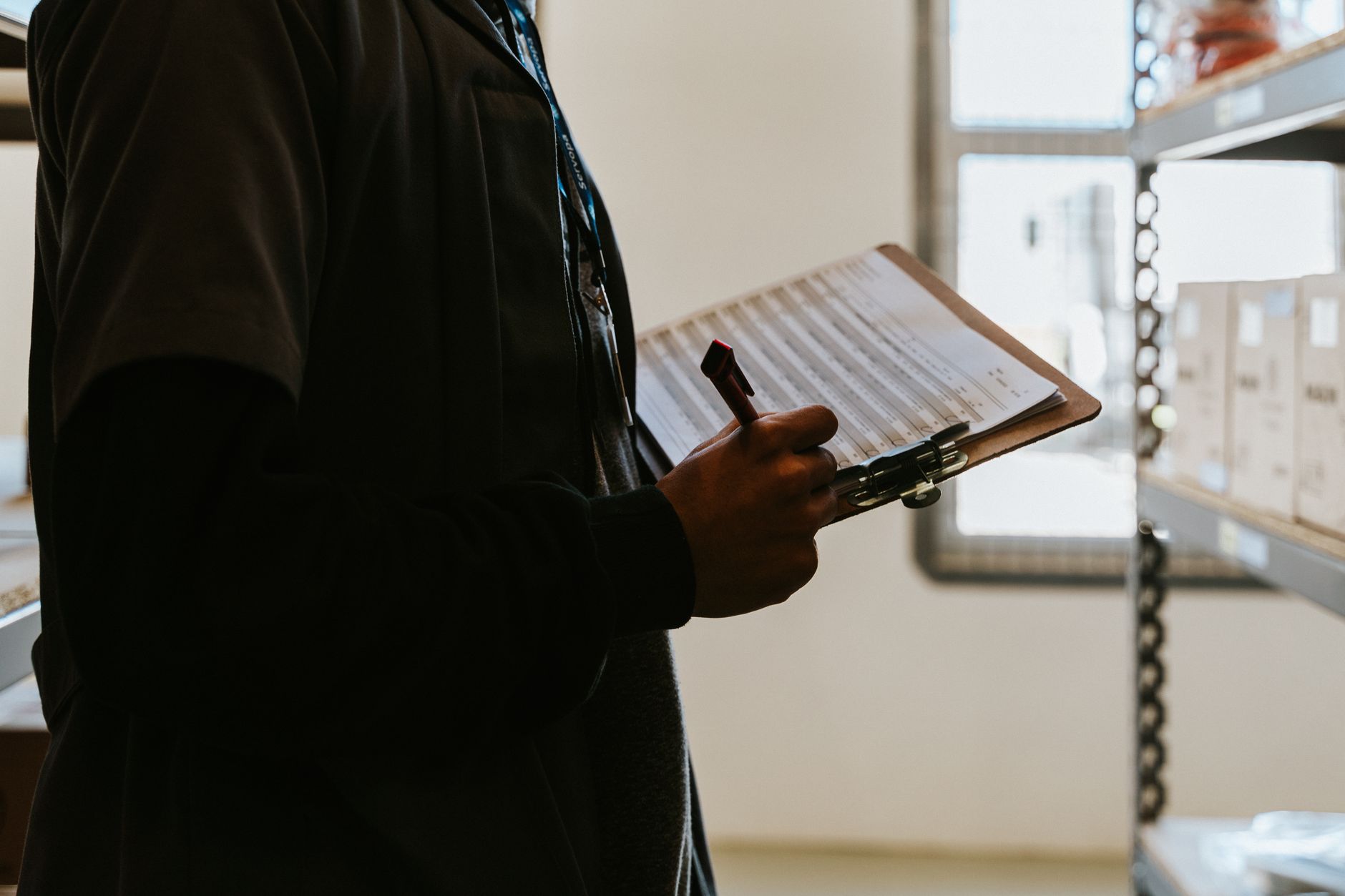
How to Verify an Electrician's License in California Using the CSLB Lookup Tool
By A Lighting Inc.12 min read
To verify an electrician's license in California, go to CSLB.ca.gov and use the free 'Check a License' tool. Enter the contractor's name, business name, or license number. A valid C-10 Electrical Contractor license should show 'Active' status, current workers' compensation insurance, and a bond of at least $25,000.
What Is the CSLB and Why Does It Govern California Electricians?
The Contractors State License Board (CSLB) is California's primary regulatory agency overseeing all licensed contractors across 45 classifications, including the C-10 Electrical Contractor category. Under Business and Professions Code Section 7000, any contractor performing work valued at $500 or more in combined labor and materials must hold a valid CSLB license. The CSLB currently licenses about 285,000 contractors statewide, with 231,261 holding active licenses (cslb.ca.gov). Unlicensed contracting is not a minor problem. It is part of California's estimated annual $60 to $140 billion underground economy (cslb.ca.gov). In 2025 alone, CSLB enforcement teams closed 19,761 investigations and recovered $30.2 million in restitution or corrected work (cslb.ca.gov). The agency also issued 1,622 citations totaling more than $6 million in civil penalties, filed 248 accusations, and referred 1,053 cases for criminal prosecution (cslb.ca.gov). For Los Angeles homeowners, these numbers are not abstract. After the 2025 wildfires, CSLB's Statewide Investigative Fraud Team (SWIFT) spent 99 days at disaster recovery centers and conducted 52 sweeps in fire-affected areas, resulting in five individuals charged with felony unlicensed contracting in the Altadena disaster zone (cslb.ca.gov). The CSLB database is updated in real time and is the single authoritative source for contractor licensing status in California.
What Is a C-10 Electrical Contractor License?
The C-10 is the specific CSLB specialty license required for electrical contractors in California. It covers installation, alteration, and repair of electrical wiring, apparatus, and equipment, from a simple outlet replacement to a full service panel upgrade or solar-ready wiring project. The classification matters because a general building contractor (B license) cannot legally perform electrical work as the primary scope of a project. A C-10 applicant must pass two exams, a trade exam and a law and business exam, and demonstrate at least four years of journeyman-level experience in the electrical trade. This is not a simple registration process. The depth requirement means a licensed C-10 contractor brings real field knowledge, not just paperwork. Electricians employed by a C-10 licensee do not need individual contractor licenses, but must hold California electrician certifications issued by the Department of Industrial Relations (DIR). This distinction matters when you ask who physically touches the wiring in your home.
How Does the CSLB Differ from the California DIR Electrician Certification?
The CSLB licenses the contracting business entity. The California Department of Industrial Relations certifies individual electrician workers. Think of it this way: the CSLB verifies the company can legally operate, while the DIR confirms the person holding the wire knows what they are doing. A homeowner should verify both. For example, if you hire an electrician to install an EV charger in your Los Angeles home, verify that the contractor holds an active CSLB C-10 license and that the electricians performing the work hold current DIR certifications. A licensed company with certified workers ensures the installation meets current NEC codes, passes LADBS inspection, and is documented for your property records. A valid CSLB C-10 license on a contractor whose crew lacks DIR electrician certifications still creates code and safety risk. Reputable licensed electrician Los Angeles firms will have no issue providing both credentials on request.
Step-by-Step: How to Use the CSLB License Lookup Tool
The verification process takes under five minutes and should be completed before every hiring decision. Start by navigating to CSLB.ca.gov and clicking 'Check a License' in the top navigation bar. You can search by contractor name, business name, or license number. Ask for the contractor's license number first. That is the fastest and most precise search method, returning a single record rather than a list of similarly named businesses. Once you have the results page, review it carefully before you do anything else. Download or screenshot the full license detail page as a record before signing any contract or making any payment. Run the lookup again after receiving a quote and before work begins, because license status can change between your first call and the project start date. This is not paranoia. License suspensions happen, bonds lapse, and workers' compensation policies get canceled. A two-minute re-check protects you from a costly mistake.
What Does Each Field on the CSLB Results Page Mean?
Each field on the CSLB license detail page tells a specific story. License Status is the first thing to read: 'Active' is the only acceptable status. 'Suspended,' 'Expired,' or 'Revoked' all mean the contractor cannot legally operate in California. Do not accept explanations like 'it's being renewed' or 'the system is delayed.' The database is updated in real time. The Bond field must show 'Current' with a minimum $25,000 contractor's license bond. Note the bonding company name. If the bond shows 'Not on File' or lists a lapsed date, stop the conversation. Workers' Compensation must show current coverage or a valid exemption. A contractor without workers' comp exposes you as the property owner to liability if a worker is injured on your property under California law. The Expiration Date should extend beyond your project's expected completion date. Finally, review the Classifications field. You need to see 'C-10 - Electrical' in the list. Additional classifications like C-46 (Solar) or C-7 (Low Voltage) indicate additional permitted scopes of work, which is a plus for homeowners planning EV charger installation or smart home wiring alongside a panel upgrade.
What Should You Do If a License Shows a Disciplinary Action?
Interpreting disciplinary history requires judgment, not just a pass/fail read. The CSLB results page includes a 'Disciplinary Actions' section listing citations, suspensions, and court judgments. A single minor citation from several years ago, such as a paperwork lapse on a small job, is very different from a recent bond claim or a pattern of consumer complaints. Context is everything. An active suspension or an outstanding judgment against the bond is a disqualifying finding. Do not hire that contractor. A recent revocation means the CSLB determined the contractor's violations were serious enough to remove their right to work. For anything in between, you can request the full complaint history from the CSLB by calling 1-800-321-CSLB (2752). That call costs nothing and can reveal a pattern that the summary page does not fully display. This level of due diligence is what separates an informed homeowner from one who ends up in small claims court.
Red Flags to Watch for Beyond the CSLB Database
A valid CSLB license is necessary. It is not sufficient. Cross-reference the license with the contractor's actual business name, the address on file, and the name on any written proposal. If these do not match, ask for an explanation in writing. California law requires a written contract for all work over $500. That contract must include the CSLB license number, start and completion dates, a payment schedule, and a description of the work. An electrician who refuses to provide a written contract is a red flag regardless of their license status. California law also caps initial contractor deposits at 10% of the total project cost or $1,000, whichever is less (buchalter.com). A contractor demanding 30%, 40%, or 50% upfront is violating state law and should be reported to the CSLB (cslb.ca.gov). Always verify that the contractor will pull the required permits through the LA Department of Building and Safety (LADBS) for projects like panel upgrades, EV charger installations, or new circuits. Check Google reviews, the Better Business Bureau, and Yelp alongside the CSLB lookup for a complete picture.
Why Does Permit-Pulling Matter for Los Angeles Electrical Work?
Permit-pulling is not a bureaucratic formality. It is a legal protection that follows your property forever. Electrical work performed without an LADBS permit creates a permanent record defect that surfaces during home sales, refinancing, and insurance claims. The LA Department of Building and Safety requires permits for panel replacements, new circuit additions, EV charger installations, and service upgrades. Building and Safety fees in Los Angeles County increased by 3.4% effective July 1, 2026 (dpw.lacounty.gov), but that cost is trivial compared to the liability of unpermitted work. Only a CSLB-licensed C-10 contractor or a licensed owner-builder can legally pull electrical permits in Los Angeles. When a contractor says 'we don't need a permit for that,' they are either uninformed or cutting corners. Unpermitted electrical work discovered during a home sale can require full removal and reinstallation at the seller's expense, often costing far more than the original job. In a city where nearly 400,000 home insurance policies have been canceled since 2021 (coveragecat.com), unpermitted electrical work can also give an insurer grounds to deny a fire claim outright.
How to Verify Insurance Coverage Separately from the CSLB
The CSLB confirms that a workers' compensation policy exists, but it does not display general liability insurance coverage. These are two different protections, and both matter. Always request a Certificate of Insurance (COI) directly from the contractor. For commercial properties in the San Fernando Valley, Santa Clarita, or the San Gabriel Valley, building owners and property managers commonly require $2 million per occurrence and $4 million aggregate (moneygeek.com). Ask to be named as an 'Additional Insured' on the policy for the duration of your project. A reputable contractor will accommodate this standard request without hesitation. Do not stop there. Call the insurance carrier listed on the COI to confirm the policy is active. Certificates can be forged, or they can be issued against a policy that was subsequently canceled. A two-minute phone call to the carrier eliminates that risk entirely. Results speak louder than paperwork.
What Is the Difference Between Workers' Compensation and General Liability for a Homeowner?
Workers' compensation and general liability cover different financial risks, and confusing them is a costly mistake. At A Lighting Inc., we've seen homeowners face unexpected liability exposure because they only verified one coverage type instead of both, which is why we always provide complete documentation upfront. Workers' compensation covers the contractor's employees if they are injured on your property. Without it, California law allows the injured worker to pursue the property owner for medical costs and lost wages. General liability insurance covers damage to your property caused by the contractor's work, such as a fire started during an electrical installation or water damage from cutting through a wall. Both coverages protect you from entirely different exposures. Verifying only one is not enough. At A Lighting Inc., we provide certificates for both coverages before any project begins, because our clients deserve to know they are fully protected from the first day of work.
Contractor Verification Checklist: What to Look for Before Hiring
The table below summarizes every verification step, where to check it, and the difference between a passing result and a disqualifying red flag.
| Verification Step | Where to Check | What You Need to See | Red Flag |
|---|---|---|---|
| CSLB License Status | CSLB.ca.gov, Check a License | Status: Active, Classification includes C-10 | Suspended, Expired, or Revoked status |
| License Bond | CSLB.ca.gov results page | Bond current, minimum $25,000 | Bond listed as 'Not on File' or lapsed |
| Workers' Compensation | CSLB.ca.gov results page | Coverage current or valid exemption on file | No coverage and no exemption |
| General Liability Insurance | Certificate of Insurance from contractor | $1,000,000+ per occurrence, active policy | Expired dates, unverifiable carrier |
| Disciplinary History | CSLB.ca.gov, Disciplinary Actions section | No active citations or outstanding judgments | Recent suspension, bond claim, or court judgment |
| Permit Authorization | LA Department of Building and Safety (LADBS) | Contractor confirms permit will be pulled | Contractor says permit is unnecessary for panel or EV work |
| Written Contract | Contractor-provided document | License number, payment schedule, completion date included | Verbal agreement only or no license number listed |
| Name Match | CSLB record vs. proposal and ID | Business name and personnel match exactly | Name discrepancy between license and contract |
Verifying A Lighting Inc. and What to Expect from a Licensed Los Angeles Electrician
Verification should be the starting point of every contractor relationship, not an afterthought. A Lighting Inc. holds an active CSLB C-10 Electrical Contractor license, which you can confirm directly at CSLB.ca.gov before making a single phone call. We pull all required LADBS permits for every project, from a panel upgrade in Hollywood to an EV charger installation in the San Fernando Valley, so your work passes inspection and stays documented for future sales or insurance claims. Services include emergency electrical repair, panel upgrades, EV charger installations, smart home wiring, solar-ready wiring, and full commercial electrical builds for properties across Los Angeles, Hollywood, the San Gabriel Valley, Santa Clarita, and surrounding communities. Full general liability and workers' compensation certificates are available on request before any project begins. That is what a licensed, insured, permit-pulling electrical contractor in Los Angeles looks like.
What Questions Should You Ask Any Electrician Before Hiring in Los Angeles?
Before signing anything, ask these specific questions. First, ask for the CSLB license number upfront and verify it yourself at CSLB.ca.gov before the appointment. Do not wait for the day of the job. Second, confirm whether the contractor will pull the required LADBS permit and include permit fees in the written quote. Third, ask specifically who will perform the physical electrical work: the licensed C-10 contractor personally, or employees, and whether those employees hold California DIR electrician certifications. Fourth, request a line-item written estimate so you can compare scope, materials, and labor separately across multiple quotes. A contractor who refuses to itemize has something to hide. In our experience, transparent pricing and detailed line-item estimates are hallmarks of contractors who stand behind their work and respect their clients' ability to make informed decisions. Fifth, ask about warranty terms on both parts and labor, and confirm the contractor has completed similar projects in your specific neighborhood or building type. A company experienced with older Hollywood bungalows wired in the 1950s handles surprises differently than one that only works on new construction in Santa Clarita.
Frequently Asked Questions
How do I look up an electrician's license number in California?
Go to CSLB.ca.gov and click 'Check a License.' You can search by contractor name, business name, or license number. Searching by license number returns the most precise result. The results page will show license status, classification, bond, workers' compensation, expiration date, and any disciplinary history for that contractor.
What does it mean if a CSLB license shows 'Suspended'?
A 'Suspended' status means the contractor has temporarily lost their legal right to perform contracting work in California. Common causes include a lapsed bond, unpaid civil penalties, or outstanding consumer judgments. Do not hire a suspended contractor. The suspension may lift, but work performed during it is unlicensed and creates serious liability for the property owner.
Can a homeowner do their own electrical work in California without a CSLB license?
Yes, a licensed owner-builder can perform electrical work on their own primary residence without a CSLB contractor license. However, the owner must actually perform the work personally, pull the required permits, and pass all required inspections. Hiring unlicensed workers to do the job while claiming owner-builder status is illegal and voids the exemption entirely.
Is a CSLB C-10 license required for EV charger installation in Los Angeles?
Yes. EV charger installation in Los Angeles involves new circuit wiring, panel connections, and load calculations that require a CSLB C-10 Electrical Contractor license. The LA Department of Building and Safety also requires an electrical permit for this work. A contractor who installs an EV charger without pulling an LADBS permit is performing unpermitted electrical work, regardless of their license status.
How much is the required contractor bond in California?
California requires all licensed contractors, including C-10 electrical contractors, to maintain a $25,000 contractor's license bond. The CSLB results page shows whether the bond is current. If the bond shows 'Not on File' or lists a lapsed date, the contractor cannot legally operate. Always note the bonding company name in case you need to file a claim.
What happens if I hire an unlicensed electrician in California?
Hiring an unlicensed electrician in California exposes you to denied insurance claims if electrical work causes a fire or damage, failed city inspections that require full removal and reinstallation, and personal liability for any worker injured on your property. You also lose legal recourse through the CSLB if the contractor does substandard work or abandons the project.
Does the CSLB lookup show insurance information?
The CSLB lookup shows workers' compensation status, either current coverage or a valid exemption. It does not display general liability insurance. To verify general liability coverage, request a Certificate of Insurance directly from the contractor, then call the insurance carrier listed on the certificate to confirm the policy is active before work begins.
How often should I re-verify a contractor's license during a long project?
Re-verify at three key points: before signing the contract, before work begins (especially if time has passed since your initial check), and before making any final payment. License status, bond status, and workers' compensation coverage can all change during a project. The CSLB database is updated in real time, so each check reflects the current status accurately.
How do I search a contractor by license number on CSLB?
Go to CSLB.ca.gov, click 'Check a License,' and select 'License Number' from the search options. Enter the number exactly as the contractor provided it. This method returns a single precise record and avoids confusion from similar business names. Always ask the contractor for their license number before your first appointment so you can verify before they arrive.
What does a CSLB license detail page show?
The CSLB license detail page shows the contractor's business name, license number, license status, classifications held (such as C-10 Electrical), bond status and bonding company, workers' compensation coverage status, license expiration date, the responsible managing officer or employee, and any disciplinary actions including citations, suspensions, accusations, or court judgments on file.
How can I tell if a license is active or expired?
The CSLB results page displays a clearly labeled 'License Status' field. 'Active' means the license is valid. 'Expired' means the license term has lapsed and the contractor cannot legally work. Also check the expiration date separately to confirm it extends past your project's expected completion date. An active status with a near-term expiration date still warrants a conversation.
Can I verify an electrician by business name on CSLB?
Yes. The CSLB 'Check a License' tool allows searches by business name. Enter the company name as it appears on quotes or proposals. If multiple results appear, cross-reference the address and license number the contractor provided to confirm you are viewing the correct record. Always verify that the business name on the CSLB record matches the name on your written contract exactly.
What if the electrician isn't listed in the CSLB lookup?
If a contractor is not found in the CSLB database, do not hire them for any work valued at $500 or more. An absent record means they are either unlicensed or operating under a different business name. Ask them to provide their license number directly and search by that number. If they cannot provide one, report them to the CSLB at 1-800-321-CSLB (2752).
Sources & References
About the Author
A Lighting Inc.
A Lighting Inc. is a licensed Los Angeles electrical contractor specializing in residential and commercial services, from emergency repairs to smart home integration and EV charger installations.
Related Posts
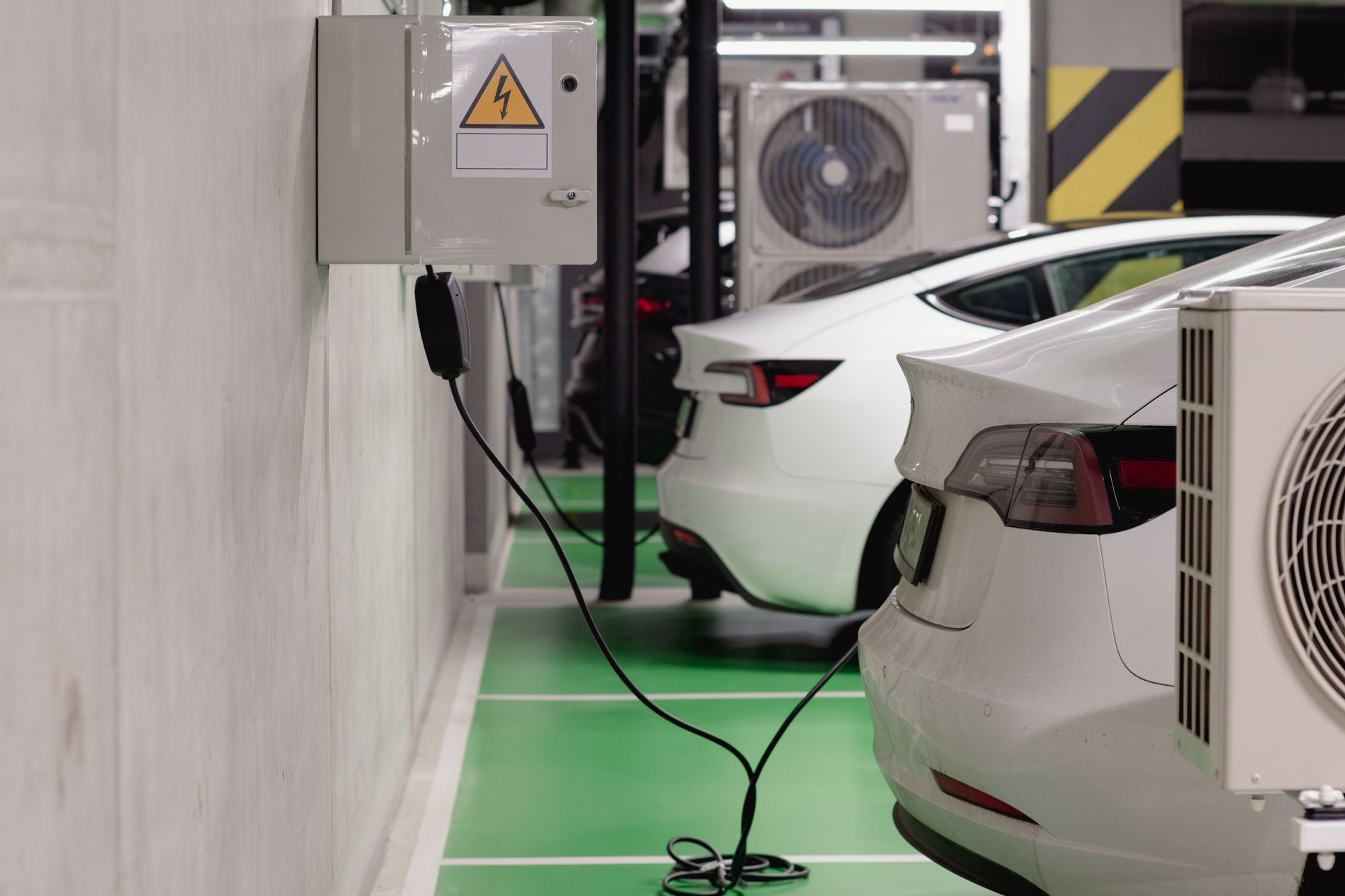
Level 2 EV Charger Installation Costs in Los Angeles: Full Pricing Breakdown
Installing a Level 2 EV charger in Los Angeles typically costs between $500 and $2,500, depending on your electrical panel, wiring distance, and permit requirements. This guide breaks down every cost factor, explains LA-specific permit rules, and shows you how to reduce your out-of-pocket expense with available rebates.
11 min read
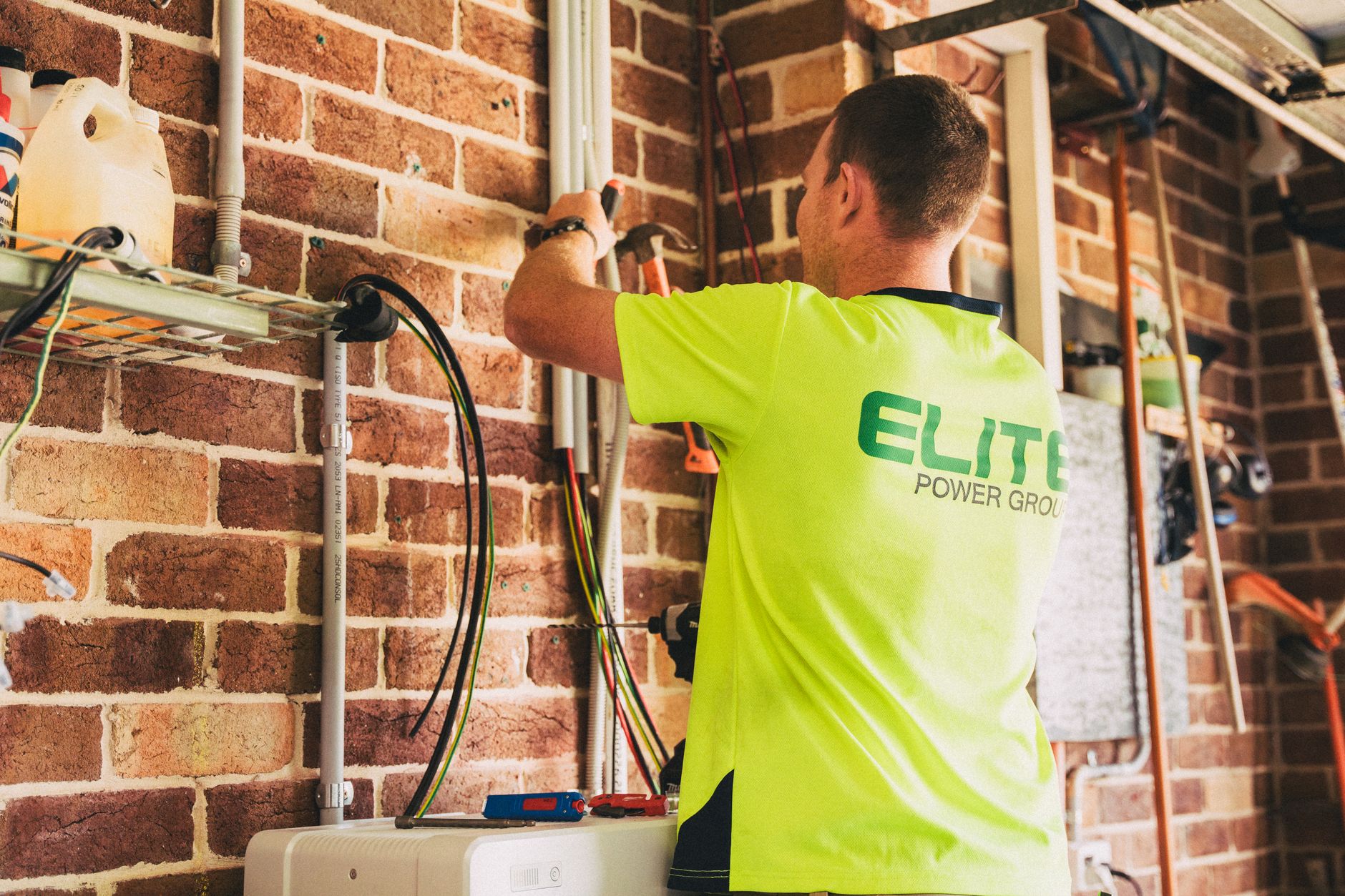
How Much Does a 200-Amp Panel Upgrade Cost in Los Angeles?
A 200-amp panel upgrade in Los Angeles typically costs between $2,500 and $5,500, depending on permit fees, utility coordination, and your home's existing wiring. This guide breaks down every cost factor so you can evaluate quotes with confidence and avoid overpaying.
12 min read