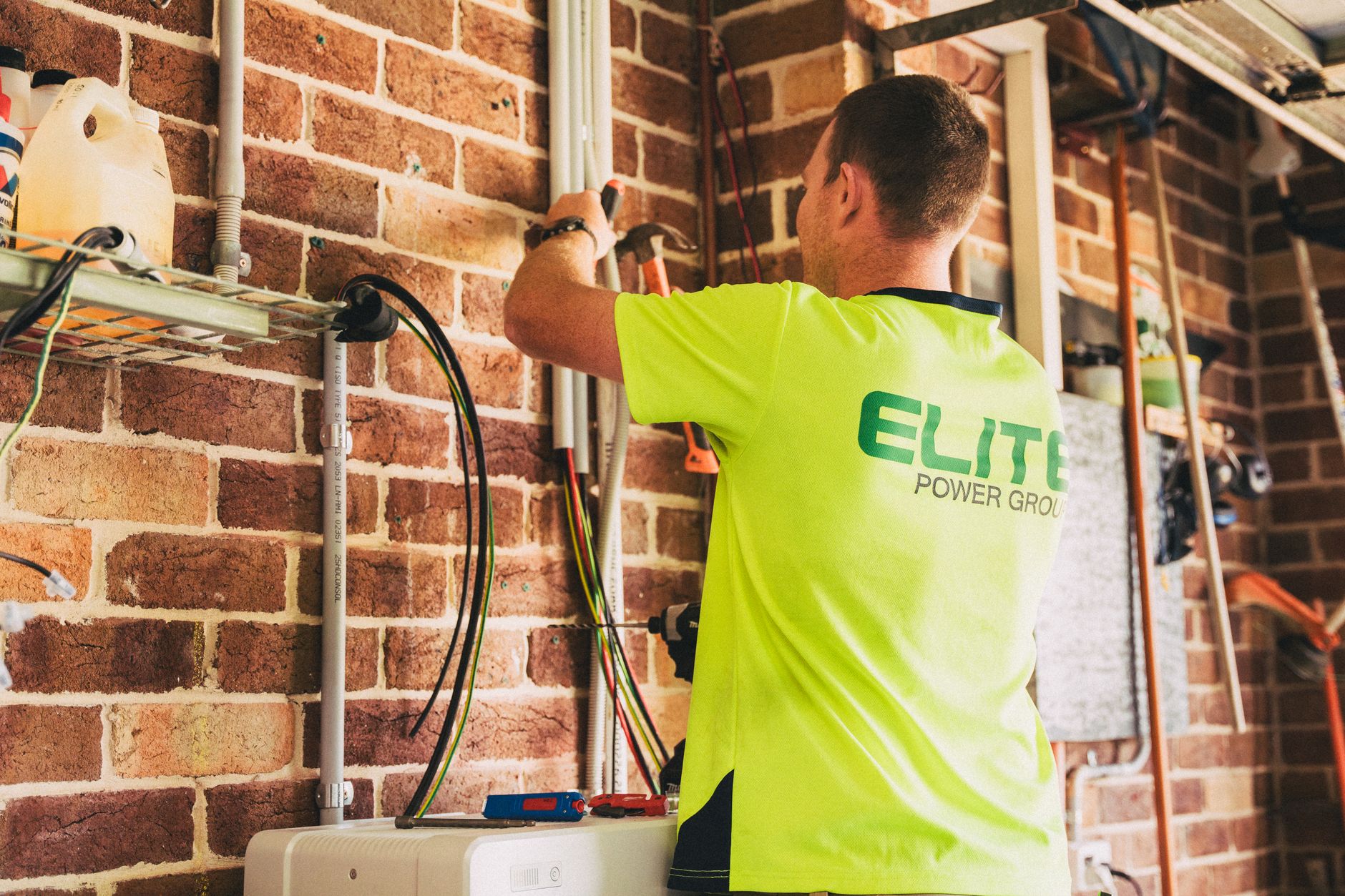
How Much Does a 200-Amp Panel Upgrade Cost in Los Angeles?
By A Lighting Inc.12 min read
A 200-amp electrical panel upgrade in Los Angeles costs between $2,500 and $5,500 for most residential projects (permitcalculator.com). That range includes equipment, licensed C-10 electrician labor, LADBS permits, and SCE utility coordination.
A 200-amp electrical panel upgrade in Los Angeles costs between $2,500 and $5,500 for most residential projects (permitcalculator.com). That range includes equipment, licensed C-10 electrician labor, LADBS permits, and SCE utility coordination. For example, consider a homeowner in Silver Lake with a 1965 bungalow who wants to add a 48-amp Level 2 EV charger and install solar panels within the next year. Her existing 100-amp panel cannot safely handle both upgrades separately, but bundling the main panel upgrade to 200 amps, the EV charger circuit, and the solar disconnect in a single LADBS permit application reduces her total cost by roughly $1,200 compared to phasing the work over three separate projects (nplinedesign.com).
What Does a 200-Amp Panel Upgrade Cost in Los Angeles?
Los Angeles homeowners face a wider cost spread than the national average suggests. Nationally, replacing an electrical panel averages $1,341, with most homeowners spending between $519 and $2,184 (lehmannelectrical.com), and a 100-amp to 200-amp upgrade nationally runs $1,300 to $3,000 (lehmannelectrical.com). In Los Angeles specifically, a 200-amp panel upgrade typically runs $1,200 to $3,200 for the electrical service upgrade itself, but a more realistic full panel-upgrade budget is often $2,800 to $6,800 once permits, utility coordination, and ancillary work are included (angi.com). Complex projects involving meter base replacement, service entrance rewiring, and subpanel additions can reach $3,600 to $11,200 depending on the home and scope (angi.com).
The table below breaks down the core cost components for a standard Los Angeles 200-amp panel upgrade:
| Cost Component | Typical Range | Notes |
|---|---|---|
| Panel equipment (Square D, Eaton, Siemens) | $200 to $500 | 40-slot panels cost $50 to $150 more than 20-slot |
| C-10 electrician labor | $85 to $150/hr | 6 to 10 hours for a standard swap |
| LADBS electrical permit | $300 to $600 | Valuation-based; minimum electrical permit starts at $55 (permitcalculator.com) |
| SCE utility coordination and reconnection | $150 to $400 | Scheduling varies; same-day not guaranteed |
| Meter base replacement (if needed) | $400 to $900 | Required when existing socket is incompatible |
| Service entrance cable upgrade | $500 to $1,500 | Depends on run length from street to panel |
| Grounding electrode system upgrade | $200 to $500 | Required under NEC 2020 for non-compliant homes |
| Subpanel for ADU or garage | $800 to $2,000 | Separate from main panel upgrade |
| Whole-house surge protector | $150 to $400 | Frequently bundled by contractors |
How Do Panel Brand and Amperage Affect the Price?
The three panel brands most commonly specified by Los Angeles electricians are Square D QO, Eaton BR, and Siemens. All three meet California's adopted NEC 2020 requirements, but they are not interchangeable in terms of breaker compatibility. This matters for pricing. If your existing breakers are from one manufacturer and your new panel is from another, every breaker in the box must be replaced, which adds material cost. Some solar installers and insurers also specify particular brands as a condition of their own warranty or coverage terms, so a contractor recommendation that seems arbitrary may actually be driven by a downstream requirement worth confirming.
Choosing a panel with 40 breaker slots instead of 20 adds $50 to $150 upfront but prevents a far more expensive expansion project later when you add an EV charger installation or ADU electrical upgrade circuit (caudills.com). At A Lighting Inc., we always recommend the larger-slot panel for any Los Angeles home built before 1990, because those properties almost universally have fewer circuits than modern living requires.
What Additional Work Increases the Final Bill?
The variables that push a project past the $5,500 mark deserve specific attention, because these are the cost surprises that catch homeowners off guard (permitcalculator.com). Meter base replacement is the most common hidden cost: if the existing meter socket is rated below 200 amps or physically incompatible with the new service, the utility requires a new meter base before reconnection.
Grounding is another area where cost surprises emerge. NEC 2020, which California has adopted with state-specific amendments, requires a grounding electrode system that many pre-1980 Los Angeles homes do not meet. A load calculation service, required under NEC Article 220, must also be performed to confirm the new panel can safely serve the home's circuits.
Why Los Angeles Panel Upgrades Cost More Than the National Average
California overall is 27% above the national average for electrical costs (kaamcam.com), and labor costs have increased 12-15% since 2024, while materials have remained relatively stable due to improved supply chains (5orfreeelectrical.com). The gap between Los Angeles and lower-cost markets is structural, not incidental.
Permit requirements significantly affect pricing in ways that go beyond the permit fee itself. LADBS electrical permits are valuation-based. The permit cost runs 1.5 to 3% of project cost (nplinedesign.com), with the building permit fee representing approximately 10 to 15% of the first $50,000 in project valuation (nplinedesign.com). Beyond the fee, the permit process introduces scheduling dependencies. A licensed C-10 contractor must pull the permit, SCE must disconnect service before work begins, and an LADBS inspector must approve the installation before power is restored. Managing that sequence in a dense, high-demand market like Los Angeles adds coordination overhead that cheaper markets simply do not require.
Los Angeles's aging housing stock compounds every cost driver. Pre-1970 homes in Silver Lake, Hollywood, and across the San Fernando Valley frequently reveal aluminum branch circuit wiring, undersized service entrances, or deteriorated conduit once work begins. Discovery work is not billable under a fixed-price quote unless the contractor specifies it, which is why scopes of work in older neighborhoods often carry contingency language.
How Do LADBS Permits and Inspections Affect Your Project Timeline?
The LADBS permit and inspection sequence is not optional, and understanding it helps homeowners plan realistically. Under California Business and Professions Code, the licensed C-10 contractor must pull the permit; a homeowner cannot legally file on behalf of a contractor. Standard residential permit processing through the LADBS online portal takes 1 to 3 business days for a straightforward panel upgrade. After the electrician completes rough-in work, an inspection must be scheduled. Same-day or next-day inspections are sometimes available but are not guaranteed, particularly in busy periods.
Failing an inspection extends the timeline materially. In pre-1980 Los Angeles homes, LADBS inspectors routinely identify code violations unrelated to the panel itself, such as improperly secured conduit, missing junction box covers, or grounding deficiencies, that must be corrected before final approval. A reputable contractor includes permit fees and inspection coordination in their quoted price. If a quote lists permit fees as a separate line item to be determined later, that is a red flag. The permit cost is a knowable number based on project valuation, and any experienced C-10 contractor operating in the Los Angeles market can estimate it accurately at the time of quote.
EV Chargers, Solar, and ADUs: Why Los Angeles Homeowners Are Upgrading Panels Now
The demand for 200-amp panel upgrades in Los Angeles is not simply about aging infrastructure. It is being driven by a convergence of policy changes, lifestyle shifts, and technology adoption that are all pointing in the same direction. California's Advanced Clean Cars II rule requires all new passenger vehicles sold in the state to be zero-emission by 2035, which is accelerating Level 2 EV charger installation across the region. A Level 2 charger operating at 240V and 48 amps requires a dedicated 60-amp circuit. A home still running on 100-amp service, common in pre-1970 Los Angeles neighborhoods, cannot safely add that circuit without a panel upgrade. California buildings currently emit 25% of the state's total greenhouse gas emissions (energy.ca.gov), and the push to electrify everything from vehicles to HVAC is putting real stress on electrical infrastructure that was never designed for this load.
Los Angeles ADU ordinance changes since 2020 have also created sustained demand for subpanel installation and main panel upgrades on existing properties. An ADU requires its own subpanel in most configurations, and the main panel must have sufficient headroom to support that additional load. Homeowners adding both an ADU and an EV charger in a single project often discover their 100-amp service is inadequate for either, let alone both.
Does Adding an EV Charger Always Require a Panel Upgrade?
Not always, but the answer depends on a load calculation, not a guess. Under NEC Article 220, an electrician must calculate the total demand of all existing circuits and confirm whether adding a 60-amp EV charger circuit leaves adequate spare capacity. Homes with 200-amp service and modest existing loads sometimes have enough headroom to add a Level 2 charger without a panel upgrade. Homes with 100-amp service almost never do.
Smart load management devices from manufacturers like Emporia or Eaton can sometimes defer a full panel replacement by dynamically throttling EV charger output when other large loads are active. This is a legitimate solution for lighter charging needs, but it does not increase your panel's total capacity and does not eliminate the need for a proper load calculation. For a homeowner in Santa Clarita or the San Gabriel Valley planning to add both an EV charger and a solar system within two years, doing all three upgrades in a single project is almost always the lower-cost path.
How to Evaluate a Panel Upgrade Quote in Los Angeles
The Los Angeles electrical contracting market includes legitimate C-10 licensed companies and a substantial number of unlicensed operators who compete on price. Knowing how to distinguish between them protects your investment, your insurance coverage, and your family's safety. Start with the California Contractors State License Board. Every quote you receive should be verified at cslb.ca.gov before any money changes hands. An active C-10 license confirms the contractor has passed state exams, carries required insurance, and is accountable to a regulatory body with enforcement authority.
A legitimate quote is itemized. It lists labor hours and rate, materials with brand specifications, permit fees, and utility coordination costs as separate line items. A single lump-sum number with no breakdown is not a quote; it is a guess at best and a concealment strategy at worst. Our team recommends always getting at least three written quotes before making a decision, and using the itemized detail to compare like-for-like rather than just comparing totals.
What Red Flags in a Panel Upgrade Quote Should You Avoid?
Cash-only pricing with no written contract is the single strongest indicator of an unlicensed or uninsured operator. Walk away immediately. Quotes that exclude permit fees are the next most serious warning: this almost always means the contractor does not plan to pull permits, which leaves you with an unpermitted installation that can block a home sale, void your homeowner's insurance, and create liability for code violations that become your responsibility as the property owner.
Pressure to approve a quote on the same day, without time to get competing bids, is a high-pressure sales tactic common in the Los Angeles home services market. Verify that the contractor has a verifiable physical address and an established Google Business Profile with reviews. Reputable electrical contractors operating in Hollywood, the San Fernando Valley, and surrounding Los Angeles communities maintain a visible, accountable online presence.
Rebates, Incentives, and Ways to Reduce Your Panel Upgrade Cost in Los Angeles
Several programs can meaningfully reduce the out-of-pocket cost of a 200-amp panel upgrade in Los Angeles. This is the most straightforward rebate available to SCE customers and is worth applying for before any work begins, since some rebates require pre-approval. LADWP customers in Los Angeles should check LADWP's current rebate schedule separately, as programs differ between the two utilities.
The federal Inflation Reduction Act created two relevant credits. The Energy Efficient Home Improvement Credit under IRA Section 25C provides up to $600 for a qualifying electrical panel upgrade that meets the 200-amp minimum requirement and includes load management capability (energy.ca.gov). This credit is non-refundable: it reduces federal tax liability dollar-for-dollar but does not generate a refund if your liability is less than the credit amount. File IRS Form 5695 with your return for the year the upgrade is completed and inspected. Keep your LADBS-issued permit, final inspection approval, and contractor invoice as documentation. The Residential Clean Energy Credit under IRA Section 25D covers 30% of solar installation costs; a panel upgrade bundled with a qualifying solar system may allow a portion of panel costs to flow through that credit as well, though this requires confirmation from a CPA familiar with IRA energy credits (energy.ca.gov).
Bundling your panel upgrade with EV charger installation, solar panel electrical work, or an ADU electrical upgrade reduces total cost by sharing permit and mobilization overhead.
Frequently Asked Questions
How long does a 200-amp panel upgrade take in Los Angeles?
Most standard 200-amp panel upgrades take 6 to 10 hours of on-site work for a qualified C-10 electrician. However, the full project timeline including LADBS permit processing, SCE utility disconnection and reconnection scheduling, and final inspection typically spans 3 to 7 business days from contract signing to power restoration.
Do I need to be home during the panel upgrade and LADBS inspection?
Yes. You or an authorized adult must be present for both the electrical work and the LADBS inspection. The inspector needs access to the panel location and may need to verify other areas of the home. SCE's utility crew also requires a responsible party present during service disconnection and reconnection to authorize access and receive safety information.
Will Southern California Edison turn off my power for the panel upgrade?
Yes. SCE must disconnect service at the meter before the electrician can safely replace the panel. Your home will be without power for the duration of the upgrade, typically 6 to 10 hours. Your C-10 contractor coordinates the SCE outage window, but same-day scheduling is not guaranteed. Plan for a full-day outage and arrange refrigeration alternatives if needed.
Can I upgrade my panel and add an EV charger at the same time?
Yes, and bundling both projects is strongly recommended. Combining a 200-amp panel upgrade with EV charger installation saves $300 to $700 in shared permit and mobilization costs. A single LADBS permit can cover both scopes, and SCE only needs to coordinate one service disconnection. Your electrician performs the load calculation required under NEC Article 220 as part of the combined project.
What is the difference between a panel upgrade and a panel replacement?
A panel replacement swaps an existing panel for a new one of the same amperage, typically to replace a failed, recalled, or aging unit. A panel upgrade increases the amperage capacity, most commonly from 100 amps to 200 amps. An upgrade may also require service entrance cable replacement and meter base work that a like-for-like replacement does not, making upgrades more complex and typically more expensive.
How do I know if my current panel is a 100-amp or 200-amp service?
Check the main breaker at the top of your panel. It will be labeled with its amperage rating, either 100A, 150A, or 200A. If the label is missing or unreadable, a licensed electrician can verify service size by measuring the service entrance conductors. Homes built before 1980 in Los Angeles are frequently on 100-amp service and benefit from a professional load assessment.
Is a 200-amp panel enough for a home with solar, an EV charger, and an ADU?
For most single-family Los Angeles homes, 200-amp service is sufficient when properly configured with a load calculation. However, homes combining a large solar array, a 48-amp Level 2 EV charger, and a fully electrified ADU may approach capacity limits. In those cases, a 400-amp service or a smart load management system may be warranted. A licensed C-10 electrician performing an NEC Article 220 load calculation will give you a definitive answer.
What happens if a contractor does panel work without pulling an LADBS permit?
Unpermitted electrical work in Los Angeles creates serious legal and financial risk. Your homeowner's insurance can deny claims for damage related to unpermitted work. The City can issue a Notice of Violation requiring costly remediation. When you sell the property, unpermitted work must be disclosed and may require retroactive permits, inspections, or tear-outs to satisfy buyers. The permit exists to protect you, not just the contractor.
What is included in a 200-amp panel upgrade in Los Angeles?
A complete 200-amp panel upgrade in Los Angeles includes the new breaker box and breakers, licensed C-10 electrician labor for removal and installation, LADBS permit and inspection coordination, SCE utility disconnect and reconnect scheduling, and a grounding electrode system inspection or upgrade to NEC 2020 standards. Meter base replacement and service entrance cable work are additional if required by the existing conditions.
Do permits and inspections add to the panel upgrade cost?
Yes. LADBS permit fees for a residential panel upgrade typically add $300 to $600 to the total project cost, calculated at approximately 1.5 to 3% of project valuation. The minimum electrical permit fee in Los Angeles starts at $55, but most panel upgrades exceed the minimum threshold. A legitimate C-10 contractor includes permit fees in their written quote and handles all filing and inspection scheduling on your behalf.
How much do labor and materials each cost for this upgrade?
Materials for a 200-amp panel upgrade, including the breaker box, breakers, conduit, wire, and hardware, typically run $400 to $900. Labor from a licensed C-10 electrician in Los Angeles costs $85 to $150 per hour, with most projects requiring 6 to 10 hours, putting labor in the $510 to $1,500 range. California electricians earn a mean hourly wage of $40.54 at the employee level, but contractor billing rates are higher.
What factors make panel upgrades more expensive in LA?
Los Angeles panel upgrades exceed national averages due to several compounding factors: California electrician wages average $40.54 per hour at the employee level versus $32.60 nationally; LADBS permit and inspection requirements add time and fees; SCE utility coordination introduces scheduling overhead; California's NEC 2020 adoption with state amendments requires additional materials; and aging pre-1970 housing stock frequently reveals discovery work once the project begins.
Are there rebates or financing options for panel upgrades?
Yes. SCE's Charge Ready Home Program offers up to $1,000 in rebates for qualifying panel and EV charger projects. The IRA Section 25C Energy Efficient Home Improvement Credit provides up to $600 for qualifying 200-amp panel upgrades filed on IRS Form 5695. A panel upgrade bundled with solar may also benefit from the 30% Section 25D Residential Clean Energy Credit. LADWP customers should check that utility's separate rebate schedule.
Sources & References
- LADBS Permit Costs: Complete 2026 Breakdown for LA Homeowners | NP Line Design[industry]
- Electrical Cost in California 2026: Average Prices, Labor Rates, Quotes | KaamCam[industry]
- How Much Does an Electrical Panel Upgrade Cost in 2026? | Five or Free Electrical[industry]
- Los Angeles Building Permit Costs (2026) - LADBS Fees | Permit Calculator[industry]
- Electrical Panel Upgrade Cost Guide | 2026 Pricing Analysis - Caudill's[industry]
- California's Energy Code Update Guides the Construction of Cleaner, Healthier Buildings | California Energy Commission[gov]
- How much to upgrade electrical panel? 2025 Pricing Guide | Lehmann Electrical[industry]
- Fact Sheet on Proposed Decision in Southern California Edison's 2025 General Rate Case | CPUC[gov]
About the Author
A Lighting Inc.
A Lighting Inc. is a licensed Los Angeles electrical contractor specializing in residential and commercial services, from emergency repairs to smart home integration and EV charger installations.
Related Posts
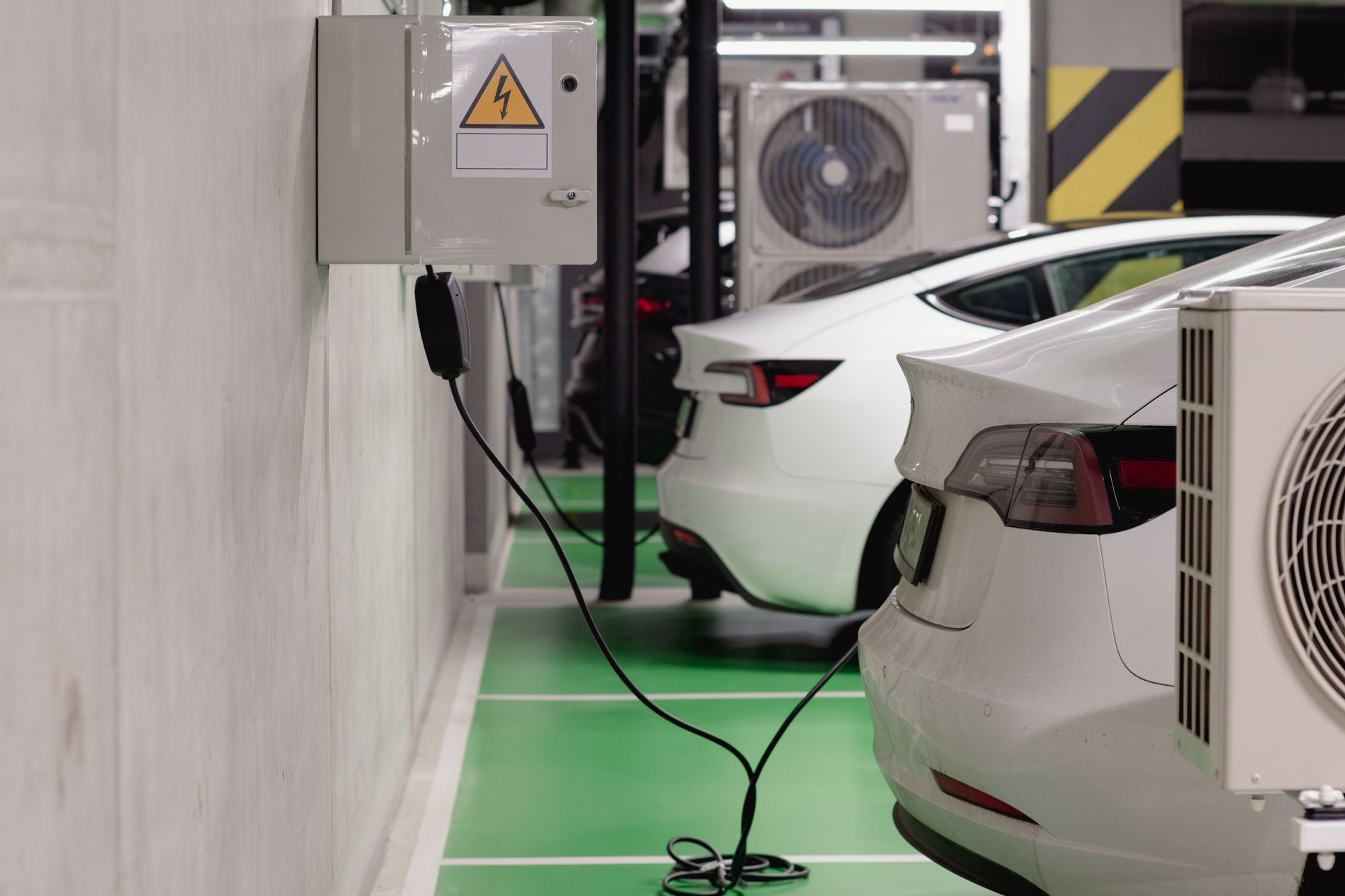
Level 2 EV Charger Installation Costs in Los Angeles: Full Pricing Breakdown
Installing a Level 2 EV charger in Los Angeles typically costs between $500 and $2,500, depending on your electrical panel, wiring distance, and permit requirements. This guide breaks down every cost factor, explains LA-specific permit rules, and shows you how to reduce your out-of-pocket expense with available rebates.
11 min read
How to Verify an Electrician's License in California Using the CSLB Lookup Tool
Before hiring any electrician in California, a quick CSLB license lookup can protect you from unlicensed contractors, failed inspections, and costly liability. This guide walks you through every step of the verification process, explains what each field means, and shows you exactly what to look for before signing a contract.
12 min read